
Cooking with Oils
by admin
Filed under Healthy Eating Tips
Choosing Healthy Cooking Fats And Oils
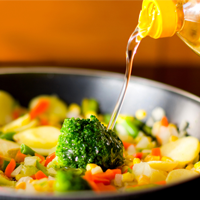
Most people focus on choosing healthy foods, but how those foods are prepared can be just as important. The type of oil, spread, or fat used during cooking can affect both the flavor and nutritional value of a meal. With so many products available, it can sometimes be difficult to know which options are worth considering.
Understanding the strengths and limitations of different cooking fats can help you make better choices in the kitchen while maintaining a healthy diet.
1: Canola Oil
Canola oil remains a popular choice because it contains relatively low levels of saturated fat and a higher amount of heart-friendly unsaturated fats. Its mild flavor makes it versatile and suitable for many different recipes.
Canola oil works well for sautéing, light stir-frying, baking, and marinades. Because it has a neutral taste, it won’t overpower the natural flavors of the foods you prepare.
2: Olive Oil
Olive oil has long been associated with healthy eating patterns, particularly those found in Mediterranean-style diets. It contains monounsaturated fats and naturally occurring antioxidants that may help support heart health.
Extra virgin olive oil is especially popular for salad dressings, dipping sauces, and drizzling over vegetables. It can also be used for cooking, although moderate temperatures are generally preferred to help preserve flavor and quality.
3: Butter
Butter has been used in cooking for centuries and remains a favorite because of its rich taste and texture. It naturally contains vitamins A, E, K, and other fat-soluble nutrients.
Butter can be used for baking, sauces, vegetables, and as a spread on bread and other foods. While it can certainly be part of a balanced diet, moderation is important because butter contains higher levels of saturated fat than many plant-based oils.
4: Margarine
Margarine was originally developed as an alternative to butter. Today, many modern margarines contain far less trans fat than older versions that were once common.
When selecting margarine, it’s wise to read product labels carefully. Some varieties are made with healthier vegetable oils and may contain beneficial unsaturated fats. Soft tub margarines are often considered a better choice than stick margarines because they typically contain less saturated fat.
Other Healthy Oil Options
In addition to canola and olive oil, there are several other cooking oils worth considering. Avocado oil is popular for high-temperature cooking, while oils such as sunflower, safflower, and peanut oil can also be suitable for certain recipes.
Different oils have different flavors and cooking characteristics, which is why many healthy kitchens keep more than one type available.
Balance Is The Key
No single oil or fat is perfect for every situation. Healthy cooking is usually about using a variety of ingredients and choosing the right product for the task at hand. Oils rich in unsaturated fats are generally considered healthier choices for everyday use, while butter and other higher-fat products can still be enjoyed in moderation.
By paying attention to the fats and oils you use during food preparation, you can improve both the nutritional quality and flavor of your meals. Healthy eating isn’t just about what foods you buy. It’s also about how you prepare them once they reach your kitchen.