
Healthy Food Choices
by admin
Filed under Healthy eating
Making Healthy Food Choices
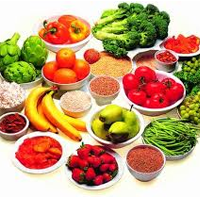
Eating healthy is something most people want to do, but it can sometimes feel overwhelming with so many food choices available. The good news is that healthy eating does not have to be complicated. By choosing a variety of nutritious foods from each major food group, you can provide your body with the energy, vitamins, minerals, and nutrients it needs to function properly.
The foods you choose each day play a major role in your overall health, energy levels, and long-term well-being. Understanding the basic food groups can help make healthy eating much easier.
Grains
Grains provide the body with energy and should be an important part of a balanced diet. Whole grains are especially beneficial because they contain fiber, vitamins, and minerals that are often removed during processing.
Healthy grain choices include whole grain bread, brown rice, oatmeal, whole wheat pasta, and high-fiber cereals. Replacing refined grains with whole grains whenever possible can improve both nutrition and digestive health.
Vegetables
Vegetables are packed with essential nutrients while remaining relatively low in calories. A variety of colorful vegetables helps ensure that you receive a broad range of vitamins and minerals.
Dark green vegetables such as spinach, kale, and broccoli are excellent choices. Orange vegetables, including carrots and sweet potatoes, provide important nutrients as well. Beans, peas, and legumes contribute both fiber and protein to the diet.
Fruits
Fruits supply vitamins, minerals, fiber, and antioxidants that help support overall health. Fresh fruit is often an ideal choice, but frozen, canned, and dried fruits can also be valuable additions to a healthy eating plan.
Choosing a variety of fruits helps provide diverse nutrients and keeps meals interesting. While fruit juice can contribute some vitamins, whole fruits are generally preferred because they contain more fiber.
Milk And Dairy Products
Dairy products provide calcium, protein, and other nutrients that help build and maintain strong bones and teeth. Low-fat and fat-free dairy products can offer these benefits while reducing saturated fat intake.
For those who cannot consume traditional dairy products, lactose-free products and calcium-fortified alternatives can help meet nutritional needs.
Meat, Fish, Beans, And Other Proteins
Protein is essential for building and repairing tissues, maintaining muscle mass, and supporting many important functions throughout the body.
Lean meats, poultry, fish, beans, peas, nuts, seeds, and eggs all provide valuable sources of protein. Including a variety of protein sources can help create a more balanced and nutritious diet.
Limit Unhealthy Fats
While some fats are important for health, excessive amounts of saturated and trans fats can contribute to health problems. Limiting foods high in these fats may help support heart health.
When preparing meals, consider healthier cooking methods such as baking, grilling, broiling, steaming, or roasting rather than frying. Small changes in food preparation can make a significant difference over time.
Read Nutrition Labels
Nutrition labels provide useful information about calories, fat, sodium, fiber, protein, vitamins, and minerals. Learning how to read these labels can help you make informed decisions when selecting foods at the grocery store.
Paying attention to serving sizes and ingredient lists can also help you better understand what you are eating.
Healthy Eating And An Active Lifestyle
Healthy eating works best when combined with regular physical activity. Good nutrition provides the fuel your body needs, while exercise helps maintain strength, endurance, and overall fitness.
The goal is not perfection but consistency. By making smart food choices most of the time and staying active, you can improve your health, support a healthy weight, and enjoy a higher quality of life. Healthy eating is an investment that can benefit you for years to come.
Provide your feedback on BizChat